State-wide Work for Building Health Center and DV Program Partnerships
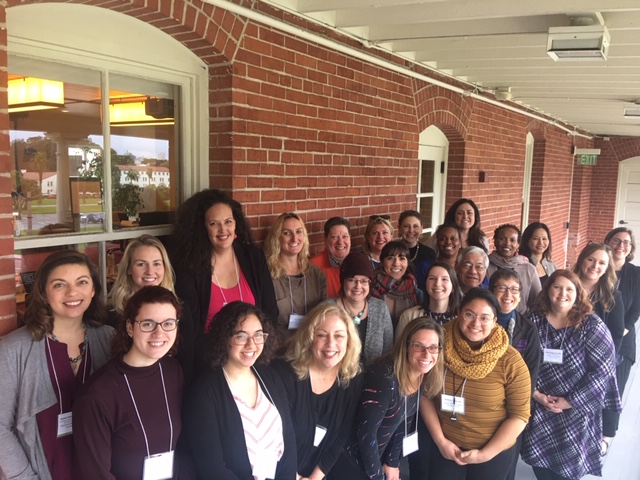
U.S. state and territory organizations such as primary care associations, domestic/sexual violence coalitions and departments of health, are key cross-sector collaborators to advance health center systems change on IPV and human trafficking, and to promote partnerships at the local level. These organizations often have member programs located in the same areas; are working to enact […]
Emergency Preparedness

As the frequency of wildfires, hurricanes, floods, heatwaves, droughts, and various other natural disasters continues to rise across the United States and its territories, health centers can expect their operations, workforce, and patients to be increasingly impacted. Amidst these challenges, it is crucial for healthcare providers to recognize the heightened risk of intimate partner violence […]
CUES Intervention

CUES is an evidence-based universal education strategy to educate all patients about healthy and unhealthy relationships, the health impact of IPV, and available national resources for support. CUES stands for Confidentiality, Universal Education, and Support. This approach differs from screening in that all patients are given information on the health impact of IPV and safety […]
Maternal Health

Intimate partner violence (IPV) has impacts on maternal mortality. Addressing these topics is central to ensuring expectant mothers do not continue to die from preventable causes. According to the national partnership for women & families, each year, an estimated 324,000 mothers in the United States are battered by their intimate partners. IPV during pregnancy can […]
Tools for Health Centers

General Resources Futures Without Violence CUES Infographic Futures Without Violence CUES videos Increasing Health Care Enrollment for Survivors of Domestic Violence Quality Assessment / Quality Improvement Tool Partnerships Between Health Centers and Domestic and Sexual Violence Advocacy Programs (Bi-directional Infographic) Privacy Principles for Protecting Survivors of Intimate Partner Violence, Exploitation and Human Trafficking in Healthcare […]
Oral Health

According to an article published in the The Journal of the American Dental Association, more than half of dentists could not identify a referral for patients experiencing IPV. In several studies survivors of IPV saw a dentist when signs of abuse were present and many were not asked about their injuries (as many as 88.6% […]
HIV/AIDS

According to Centers for Disease Control and Prevention (CDC)’s, the connection between Intimate Partner Violence and HIV in Women and other people living with HIV experience IPV at higher rates compared to the general population. HIV care practitioners and health center staff are working to address the ways that IPV leads to poor health outcomes […]
Adolescent Health

Nearly 1 in 11 female and approximately 1 in 14 male high school students report having experienced physical dating violence in the last year. In order to prevent violence from occurring in the first place, Health Partners invests in prevention strategies that promote healthy relationships among teens and young adults. Adolescents may also become involved […]
Health Information Technology

Utilizing health information technology safely and effectively is an important piece of supporting the health center efforts to address and prevent IPV, HT, and exploitation. It is also critical to maintain confidentiality and ensure privacy of data to promote the safety of survivors, while also informing patients how health information will be handled, and respecting […]
Migratory and Seasonal Agricultural Workers Health

In addition to experiencing IPV, Migratory and Seasonal Agricultural workers may face added challenges that complicate access to prevention and support services. Health centers, in partnership with community-based domestic violence prevention programs, can play a key role in expanding access, promoting prevention, and connecting individuals to ongoing support. During the pandemic, Migratory and Seasonal Agricultural […]
People Experiencing Homelessness

Domestic violence is one of the leading causes of homelessness for women and children. According to a 2010 report from the National Center for Children in Poverty, “among mothers with children experiencing homelessness, more than 80 percent had previously experienced domestic violence.” Health Partners seeks to address IPV, HT, and exploitation as it crosses with […]
Elder Abuse

One in ten older adults report being abused, neglected or exploited by someone they know, such as a spouse, partner, family member, or caregiver. Yet, many victims aren’t connected with social services or other avenues of support that can help them. IPV in later life is often undetected by healthcare providers, in part due to […]