Type: In-Person Conference/ Location of Session TBD
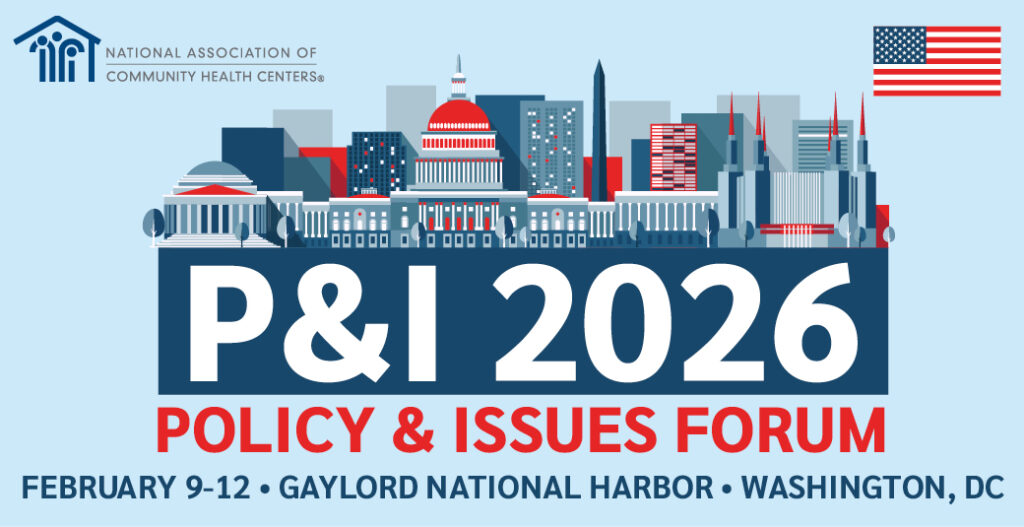
Join Health Partners on IPV +Exploitation, the Association of Asian Pacific Community Health Organizations (AAPCHO), and MHP Salud at the 2026 Policy & Issues Forum for a session titled, “Strategies to Support Migratory and Seasonal Agricultural Workers Experiencing IPV, Human Trafficking, and Exploitation“. In this session they will highlight strategies and promising practices to address the impacts of intimate partner violence (IPV), human trafficking (HT), and exploitation (E), among medically underserved communities such as migratory and seasonal agricultural workers (MSAWs) at community health centers (CHCs).
IPV/HT/E can result in poor mental health and physical health. Among other disease burdens and health risks, MSAWs experience disproportionate rates of IPV/HT/E. Primary care providers serving MSAWs, such as CHCs, can address the impacts of IPV/HT/E on their patients through robust screening, response, and education. Speakers will discuss how CHCs can respond to most pressing challenges faced by MSAWs experiencing IPV/HT/E. They will share examples of person-centered care developed by health center staff and community health workers (CHWs), underscoring the vital role CHWs play in fostering trust and responding to IPV/HT/E and other non-medical factors of health among MSAWs. Finally, speakers will highlight strategies to improve universal education for IPV/HT/E in primary care settings and health systems.
Learning Objectives:
• Identify unique barriers MSAWs face when accessing services for IPV/HT/E. • Explore community-specific strategies to address the health and well-being of medically underserved patients impacted by IPV/HT/E. • Discuss the role of CHWs in supporting survivors in prevention and intervention efforts.
Knowledge Level:Intermediate
Prerequisite: Participants should have some familiarity with the challenges experienced by MSAWs and the risks of intimate partner violence, human trafficking, and exploitation (IPV/HT/E). Knowledge of community health center operations, person-centered care, and the role of Community Health Workers (CHWs) in non-medical factors of health will support deeper engagement.
Speakers:
Jake Sese, MPH, Program Associate, Health Partners on IPV +Exploitation, Futures Without Violence
Kyraneshia Coleman, MPA, CCPI, Program Director, MHP Salud
Monica Calderon, LMSW, CCHW/I, Health Strategy Specialist, MHP Salud
Gabrielle Peñaranda, Program Manager, Training and Technical Assistance, Association of Asian Pacific Community Health Organizations